

Latest Products


Contact Us
- 612, Building 9, Donghai Cross-border E-commerce Ecosphere, Fengze District, Quanzhou
- ivy.su@cnccib.com
- +8613505927626
Wholesale Cast Film Machine Manufacturer
CCIB was established on year 2001, it's producing plastic machine and plastic film as the core industry of manufacturing enterprises. Our products include: Cast Film Machine, Blown Film Machine, Packaging, Plastic Machine, TPU Film, PE Film, PEVA Film, Film Winding Machine, Recycling Machine, Printing Machine, Bag Making Machine.
Why Choose Us
High Production Capacity
CCIB is producing plastic machine and plastic film as the core industry of manufacturing enterprises. The total assets is 1.2 billion, with 500 workers. Our company gained the national patent over 20 items.
Quality Assurance
We focus on technological innovation, and introduce the production technology and processing equipment of world's advanced level. Our quality assurance technicians verify every lot of parts to ensure it meets our customers’ high standards.
Wide Product Range
The main products of Machine and Plastic film are as follows: film blowing machine, film winding machine, recycling machine, printing machine, bag making machine.
Leading Service
We independently complete the R&D, production, marketing, sales, and technical support processes. You just need to send your requirements via email and we can customize the product for you.
 PE Embossed Film
PE embossed film is a kind of special release film embossed with diamond figure, made of polyethylene and usually applied to protect and insulate while produce carbon fiber prepreg.
Add to Inquiry Diaper Backsheet Film
Performance PE polymers can create thinner, breathable and non-breathable are comfortable and secure Diaper backsheet films while maintaining excellent mechanical properties for high quality hygiene
Add to Inquiry Disposable Diapers Film
This is the back/bottommost sheet of a typical disposable diaper. They are hydrophobic nonwoven films. This part of the diaper is impermeable to liquids (ie urine).
Add to Inquiry PE Breathable Film
Using satellite flexo printing machine, can print 1-8 color on PE film,Breathable film, lamination film and so on.
Add to Inquiry PE Lamination Film
Polyethylene (PE) composite film for packaging and packaging food and pharmaceuticals. Mainly used as the inner layer of packaging materials, and/or applied to paper or card paper to enhance and
Add to Inquiry Raw Materials for Sanitary Napkin
Sanitary napkins are composed of multiple layers, each of which has a specific function. It consists of three main layers: the top sheet, the absorbent core and the barrier sheet.
Add to Inquiry Sanitary Napkin Wrapping Film
Our PE films are mainly used for the back film of adult diaper, baby diaper, sanitary napkin, panty liner, sanitary pad, pet pad and so on. another is used for the packing film of sanitary
Add to Inquiry Sanitary Napkin for Back Sheet
The plastic revolution changed the entire nature of sanitary napkins. Sanitary napkins began to use super absorbent polymer (SAP) as the absorbent material, and the back cover was polyethylene (PE).
Add to Inquiry Sanitary Napkin Film
The PE film we use for sanitary napkin production is made of embossed, breathable or laminated material, which is safe, reliable and discrete.
Add to Inquiry Sanitary Napkin Packing Film
Use PE film to achieve green and environmental protection. Our Triogreen™ sustainable film for sanitary napkin production provides exactly the same performance and characteristics as our conventional
Add to Inquiry
Brief Introduction to PE Film
Polyethylene film (PE) is a plastic film made from ethylene, a hydrocarbon extracted from natural gas or petroleum. PE film has many uses and thus a variety of names, including plastic sheeting, polyethylene sheet, poly sheeting, and poly film. Polyethylene is the most common plastic used in the world today, with over 100 million tons of PE resin produced every year. PE accounts for approximately 34 percent of all plastic produced globally.

Advantages of PE Film
Assured Protection
The first and foremost responsibility of a polyethylene film is to provide excellent protection. It is leakage-proof, and great for heat sealing; meaning that it can be wrapped around the product and secured with an airtight seal. PE is quite popular in the electronic industry as it provides excellent protection from moisture and tampering, keeping the electronic components safe.
Extremely Lightweight
The best part about these films is their easy management in terms of transport and storage. They are incredibly lightweight, and require very little storage space. Its easy transportation contributes to reducing the carbon footprint significantly.
Superior Flexibility
Low-Density Polyethylene (LDPE) is soft, puncture-resistant, highly transparent, and heat seal-able, making it the ideal choice for wrapping products, tubing, and packaging of auto parts. The slightly denser version of LDPE is used to manufacture packaging bags for sharper objects.
Impact Resistance
Poly sheeting is highly suitable for boat construction and protecting large containers that sail the uncertain sea waters. Why? It is chemical and impact-resistant, low maintenance, and facilitates buoyancy.
Highly Adaptable
Polyethylene can be tailored to suit different needs. It comes in different colors, clarities, and thicknesses. It can best display the products, as well as keep them sheltered, if required. This PE trait makes it easier to advertise a product.
Low-cost Solution
High-Density Polyethylene (HDPE) is extremely easy to process, yet economical. It is an opaque packaging leveraged for your everyday products like shampoo bottle, lotion bottles or flower pots; products that also demand a certain degree of marketing appeal.
Excellent Rigidity
Given that they have a solid structure and are moisture-resistant, they are used to manufacture water bottles (along with the bottle caps), vegetable oil bottles, and milk cartons. Of all the plastic offerings, PE wears the crown when it comes to excellent rigidity.
Features of PE Film
Flexibility
PE film is highly flexible, allowing it to conform to different shapes and sizes. This property is particularly useful in packaging applications.
01
Transparency
PE film can be manufactured with varying degrees of transparency, making it suitable for applications where visibility of the contents is essential.
02
Chemical Resistance
PE film resists chemical corrosion, making it suitable for storing and transporting various substances.
03
Waterproof
It is inherently waterproof, providing an effective barrier against moisture and humidity.
04
Recyclability
PE film is recyclable, which aligns with the growing demand for sustainable packaging materials.
05
What are the main types of PE Film

Low-Density Polyethylene (LDPE)
Highly flexible and generally used to manufacture containers, bottles, tubing, pharmaceutical caps and closures, films for food packaging, laminations, pipes, hoses, and plastic bags, including shopping bags and trash bags.

Linear Low-Density Polyethylene (LLDPE)
An improvement over LDPE because it is very flexible, has high impact strength, good chemical resistance, and good water vapor and alcohol barrier properties. It is also much more resistant to stress and cracks. Used for a wide range of film applications, including stretch film, garment packaging, and agricultural film.

High-Density Polyethylene (HDPE)
Usually made into a stiff plastic yet can be flexible. It is weather-resistant, has excellent electrical insulating properties, and holds up at very low temperatures. Used to manufacture trash containers, industrial containers, milk and laundry detergent containers, cutting boards, toys, ropes, fishing and sports nets, and much more. HDPE also helps protect the groundwater from toxic chemicals from oil drilling or landfills.
Applications of PE Film
Hardware industry
Computer case, galvanized sheet stamping, aluminum sheet, stainless steel sheet, titanium gold sheet, plastic steel sheet, glass sheet, solar panel, etc.
Wire and cable industry
The protection of shaft-mounted copper wires, semi-finished products, finished products, and rolled finished products can effectively prevent dust pollution, and have anti-oxidation and anti-dirty effects.
Electronics industry
During production, finished products and semi-finished products are generally used to protect the finished products, which are not easy to be scratched and damaged on the assembly line.

Process of PE Film

●The process of making polyethylene film is called extrusion.
●This plastic film manufacturing process begins with the melting of small plastic granules (called resin), until they become fused and malleable.
●The molten plastic is pushed, or better said, “extruded” through a circular matrix to form a continuous plastic tube called a bubble.
●The bubble is inflated with air to the desired diameter and pulled vertically upwards from a tower, allowing time to cool before being flattened to its flat width.
●The thickness of the film is controlled by the speed with which it is pulled from the mold. The width of the film is controlled by the amount of air inserted into the bubble.
●The color of the film can be changed in the melting process by adding resin granules that contain colored pigment.
●Many things can be done during this process. A printer may be printing images, instructions, notices or company logos on the polyethylene film.
●The film can be cut and separated for individually cut bags. Ventilation holes can also be added.
●The polyethylene film manufacturing process has some additional processing limitations.
●If the film requires further technical changes, the laminated film will be removed from the extrusion line to be further modified in what is known as offline conversion.
The Considerations for Buying
Film Type
Each film is made from the same raw material and is therefore suitable for a specific industry. Different plastic films are used for a specific industry according to raw materials, flexibility, etc. The type of film affects its lifespan and durability.
Thickness
Another critical feature is thickness. Polyethylene can be produced in very thin thicknesses to thick sheets, so determine the application before purchasing to decide on the appropriate film thickness. The thickness has a direct relationship with the strength of the product.
Additive
Polyethylene is a chemical substance, and depending on the type of industry, a wide range of additives are added. The film used for food and beverage packaging must have a different structure than the film of plastic bags or other industries.
Colour
Polyethylene film is produced in different transparent colours. Also, PE is used in making attractive plastic packages due to its printability.
The number of layers
polyethylene films have from one to several layers. The higher the number of layers, the higher the strength and price, and the higher the quality of polyethylene nylon.
Heat and UV resistance
If your product is stored in harsh weather conditions, it must meet several other standards. Before buying, specify the terms of transportation and storage of the product.
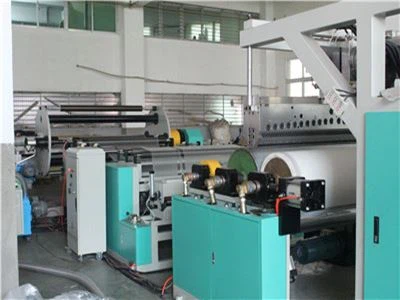
Our factory
We also invested three plastic film company in aboard as below:
●Vietnam: VINA KAILO CO., LTD
●Indonesia: PT. KAILO SUMBER KASIH CO., LTD
●Egypt: Egyptian Arabic for Paper Productions


Contact Us
Phone
+8613505927626
Address
612, Building 9, Donghai Cross-border E-commerce Ecosphere, Fengze District, Quanzhou
ivy.su@cnccib.com
Frequently Asked Questions
Q: What is polyethylene film used for?
To manufacture:
bottles, bags, and plastic products
toys
pipes and tubes
packaging and wrapping material
labels
To protect machinery and equipment
To cover and protect surfaces
This list goes on and on. Poly film is used as a vapor retarder, for window films, flooring and countertop protection, and roofing. It protects agricultural crops and foods in our kitchens. It is also used to slow down run-off on hills and helps keep lead out of the ocean during shipbuilding projects.
Q: What are the benefits of polyethylene film for labels?
We use them because they are reliable, look great, and are affordable. They can also be customized to meet your specifications. Polyethylene labels are available in a variety of colors, shapes, sizes, and adhesive options. They have excellent insulating properties and high resistance to chemicals and moisture. Because they are flexible, polyethylene labels work well for squeezable containers. The labels are also easily recyclable with the packaging, making them better for the environment.
Q: What Is Polyethylene Film?
It is a direct product of petroleum, which is why its costs are subject to the change in accordance with the oil prices. Usually, it is made available in rolls. Polyethylene sheeting is your best bet when it comes to plastic protection. The beauty of these flexible films lie in the fact that they can be tailored to perfectly fit into a project’s requirement. This is done with the help of additives such as U.V. inhibitors, fire retardants, and other anti-static additives. These additives are adept at changing the functionality of the film, ensuring that it best serves its purpose.
Q: What is polyethylene film used for?
Q: What are the types of PE films?
The varieties of polyethylene films include:
Low-Density Polyethylene (LDPE)
Medium-Density Polyethylene (MDPE)
High-Density Polyethylene (HDPE)
Linear Low-Density Polyethylene (LLDPE)
Q: What are the uses of pe film?
Polyethylene film (poly film) is used in a variety of applications such as packaging, plastic bags, labels, building construction, landscaping, and electrical fabrication.
Poly film and poly sheets on a continuous roll provide economical protection from dust, dirt and moisture.
Replace expensive drop cloths
Cover equipment, machinery, and materials
Cover lumber, walls, and scaffolding
Surface protection for indoor painting projects.
Q: What are the advantages of pe film?
Beneficial attributes of this film include:
Conformability
Water Proof
Long term stability
Comes in various thicknesses
Performs well at wide temperature ranges
Will not crack or crease at low temperatures
Abrasion, solvent, and moisture resistant
Can be customized to fit the application
Q: What Kind of Packaging Can PE Film be Applied to?
Carton packaging: The use of wrapping film as a packaging film can protect the carton from rain and wetness, and at the same time avoid the loss and damage of scattered objects inside the carton caused by violent express delivery.
Machine cover: Machines that are used irregularly can be wrapped with 2-3 layers of wrapping film to prevent the machine from rusting due to long-term placement, and have a dust-proof effect.
Special-shaped product packaging: It is impossible to customize the fixed PE packaging film when packaging large-scale special-shaped products. At this time, wrapping film can be used for packaging, multi-angle, and all-round packaging without dead ends, to meet your perfect packaging needs.
Product surface protection: Because the wrapping film has good self-adhesion, it will not form glue residue on the wrapped object. It can be attached to smooth surfaces such as glass, building materials, ceramics, doors, windows, etc. to prevent being scratched by sharp objects.
Q: What are the Performance Requirements of PE Film?
The protective film has good adhesion to the protected material. During material handling and processing, the protective film will not warp or fall off.
The protective film has good weather resistance and adhesion stability. After several days or a long time, the peeling force does not increase significantly, and it is easy to peel off. When peeling off, there is no residual glue on the protected surface, and no photo is left.
Low crystal point.
Q: The Function and Characteristics of PE Protective Film?
PE protective film is based on special polyethylene (PE) plastic film, which is divided into high-density polyethylene protective film, medium-density polyethylene, and low-density polyethylene according to the density.
The advantages of PE protective film are low price, softness, good extensibility, environmental protection, and no pollution, and generally has passed the EU's ROHS environmental pollution test. The PE protective film has good elongation, and the elongation rate can reach more than 300%.
The disadvantage of PE protective film is that it will shrink after stretching, and it is not suitable for use at high temperatures. The general temperature is within 60-70 degrees.
PE protective film is suitable for product surface protection in the nameplate, metal surfaces, plastic sheet surfaces, building and decoration materials, stone, stainless steel, automotive interior, aluminum alloy, plexiglass, electronics, home appliances, IT, and other industries.
Q: What are the performance indicators of PE Film?
Features: Thickness (≥0.03m±0.003), Width (≤1.3), Height (100-1500), Base Material (PE), Peel Strength (≤5g/cm),
Temperature Resistance (60), Elongation (> 400).
The purpose is easy to use, easy to stick and easy to tear, no glue residue, and suitable for organic plates, instruments, display screens, glass lenses, plastic lenses, etc.
Low viscosity protective film:
Features: Thickness (≥0.03m±0.003), Width (≤1.3), Height (100-1000), Base material (PE), Peel strength (10-20g/cm), Temperature resistance (60), Elongation (>400).
It is used for stable adhesion, good adhesion, good peeling performance, and no glue residue. It is suitable for steel mirror plates, titanium metal, glossy plastic plates, silk screen printing, nameplates, etc.
Medium and low viscosity protective film:
Features: Thickness (≥0.03m±0.003), width (≤1.3), height (100-1000), substrate (PE), peel strength (30-50g/cm), temperature resistance (60), elongation (>400).
It is used for stable adhesion, good adhesion, good peeling performance, and no glue residue. It is suitable for furniture polaroid, stainless steel plates, ceramic tiles, marble, artificial stone, etc.
Middle mucosa protective film:
Features: Thickness (≥0.05±0.003), Width (≤1.3), Height (100-1000), Base Material (PE), Peel Strength (60-80g/cm), Temperature Resistance (60), Elongation (> 400).
It is used for stable adhesion, good adhesion, good peeling performance, and no residual glue phenomenon. It is suitable for surface protection of fine-grained matte boards and general difficult-to-stick materials.
High viscosity protective film:
Features: Thickness (≥0.05±0.003), Width (≤1.3), Height (100-800), Base material (PE), Peel strength (80-100g/cm), Temperature resistance (60), Elongation (> 400).
It is used for stable adhesive force, good adhesion, good peeling performance, and no residual glue phenomenon. Ultra-high viscosity protective film:
Features: Thickness (≥0.04±0.003), Width (≤1.3), Height (100-800), Base material (PE), Peel strength (above 100g/cm), Temperature resistance (60), Elongation (>400).
The use is extremely high viscosity. Water-based acrylic acid is used as the pressure-sensitive adhesive, which is easy to use, easy to stick and tear, and has no residual glue phenomenon. It is suitable for difficult-to-stick materials such as rough-grained aluminum plates.
Q: Is PE film the same as plastic wrap?
Q: Can PE film be recycled at home?
Q: Is PE film safe for food packaging?
Q: How can I dispose of PE film responsibly?
Q: What are the impacts of PE Film on the environment?
While PE film is not biodegradable, there are efforts to develop biodegradable variants. These eco-friendly alternatives break down into harmless substances, reducing their environmental impact.
Recycling
PE film can be recycled into various products, reducing the need for virgin plastic production and minimizing plastic waste in landfills.
Energy Consumption
The production of PE film consumes less energy compared to other materials, contributing to lower carbon emissions.
Conclusion
PE film, made from polyethylene, is a versatile material with a wide range of applications. Its properties, including flexibility and recyclability, make it a valuable choice in various industries. While it may not be biodegradable, efforts are underway to improve its environmental footprint.
Q: What are the applications of PE Film?
●Packaging
PE film is widely used in the packaging industry for wrapping food items, consumer goods, and industrial products.
●Agriculture
In agriculture, PE film is employed as mulch film and greenhouse covers to improve crop yield and protect plants.
●Construction
Construction companies use pe heat shrink film as a vapor barrier and for insulation purposes.
●Healthcare
PE film is used in the healthcare sector for medical packaging and disposable medical equipment
Q: How PE Film is Made?
LLDPE resin
The molten plastic is pushed, ( extruded ), through a circular die to form a continuous tube of plastic called the bubble. The bubble is inflated with air to the desired diameter and drawn vertically up a tower giving it time to cool before it is flattened to its lay-flat width. The thickness of the film is controlled by the speed at which it is pulled from the die. The width of the film is controlled by the amount of air inserted in the bubble.
The bubble
Film color can be changed in the molten process by adding resin pellets that contain colored pigment.
Many things can be done during this “inline” process. A printing press may be printing images, instructions, warnings, company logos, ect.. on the film. A bag making machine can seal and perforate the film to form varying lengths of bags on rolls. The film can be cut and separated for individually cut bags. You can also add vent holes, which are punched through the film in a variety of patterns and sizes.
The inline plastic film manufacturing process has some further processing limitations. If the film requires more technical alterations then rolled film will be taken off the extrusion line to be further modified in what is known as out of line converting. Here is where you see process printing and laminating, in addition to the plastic bag manufacturing process of making side weld bags, reclosable bags, and wicketed bags is done out of line.
Q: Why Is Polyethylene Film Widely Used In Flexible Packaging?
Cost plays a crucial role in the packaging industry. Since a lot goes into creating plastic films, cost-effectiveness stays the most predominant factor in the popularity of particular packaging material. Both the companies and the final end-user look out for products that aren’t just of high-quality, but also light on pocket. The production of polyethylene films requires very little energy and time, which helps protect the environment and makes the entire process super quick.
They Are Lightweight
PE films are among the most lightweight polymers out there. It’s because the manufacturing of polyethylene relies on the chemical branching of carbon atoms, which in turn determine the density and molecular weight of its film. The more the denser a polymer, the heavier it will be. The beauty of polyethylene lies in the fact that it can be processed with very low pressure and temperature conditions, resulting in a film with intensely low molecular weight distribution. Overall, it is a packaging material that is super light in weight.
Polyethylene Has High Malleability
Malleability is the most important property for flexible packaging films. Since the intermolecular structure of polyethylene is processed as a less compressed unit, it stays lightweight and provides adequate room for the movement of the film. In terms of lightweight structure, LLDPE stays on the top as its chemical structure has a very narrow distribution of molecular weight. The linear structure of the LLDPE film, along with its lightweight, makes it a highly malleable compound with no compromise on polymer strength.
They Prevent Moisture Absorption
Polyethylene is a non-polar polymer, meaning it has no affinity for water. Due to this property, PE packaging films act as perfect moisture barriers. This is particularly important in the food packaging space, where moisture acts as an ideal medium for microbial growth and physical harm. By preventing moisture absorption, polyethylene helps extend the shelf life of packaged foods and perishable goods.
They Have Good Impact Resistance
Polyethylene, especially the High-Density Polyethylene, exhibits strong impact resistance and tensile strength. Being a high density polymer, the molecules in HDPE are tightly packed together, which imparts them inherent strength, toughness, and rigidity.
Q: Is PE film toxic?
Q: What Are The Polyethylene Film Types?
Q: In what industries is PE Film generally used?
We're professional pe film manufacturers in China for over 20 years, specialized in providing high quality products. We warmly welcome you to buy cheap pe film from our factory. For price consultation, contact us.
sublimation fabric printer, plastic bag production machine