

Latest Products


Contact Us
- 612, Building 9, Donghai Cross-border E-commerce Ecosphere, Fengze District, Quanzhou
- ivy.su@cnccib.com
- +8613505927626
Wholesale TPU Film Manufacturer
CCIB was established on year 2001, it's producing plastic machine and plastic film as the core industry of manufacturing enterprises. Our products include: Cast Film Machine, Blown Film Machine, Packaging, Plastic Machine, TPU Film, PE Film, PEVA Film, Film Winding Machine, Recycling Machine, Printing Machine, Bag Making Machine.
Why Choose Us
High Production Capacity
CCIB is producing plastic machine and plastic film as the core industry of manufacturing enterprises. The total assets is 1.2 billion, with 500 workers. Our company gained the national patent over 20 items.
Quality Assurance
We focus on technological innovation, and introduce the production technology and processing equipment of world's advanced level. Our quality assurance technicians verify every lot of parts to ensure it meets our customers’ high standards.
Wide Product Range
The main products of Machine and Plastic film are as follows: film blowing machine, film winding machine, recycling machine, printing machine, bag making machine.
Leading Service
We independently complete the R&D, production, marketing, sales, and technical support processes. You just need to send your requirements via email and we can customize the product for you.
 Clinical TPU Film
Recycle tpu film polyurethane 100% tpu medical material for tpu medical cap
Add to Inquiry TPU Medical Material
Polyurethane mechanical properties tpu breathable with soft for tpu material surgical gown
Add to Inquiry TPU Film Lamination
Transparent polyurethane properties Non-toxic medical material for tpu surgical operation gloves
Add to Inquiry TPU Medical Transparent Film
TPU applications film lamination non-woven fabric for medical mattress tpu
Add to Inquiry TPU Medical Cap
Anti-UV Clear tpu medical polyurethane film transparent film with high stretch
Add to Inquiry Transparent Polyurethane Film
Polyurethane films tpu color optional used in tpu inflatable air mattress
Add to Inquiry TPU Flexible Packaging Film
Thermoplastic polyurethane elastomer tpu clear with printing film extrusion for tpu material clothes bag
Add to Inquiry TPU Waterproof Material
Polyester super soft with transparent tpu film waterproof material for tpu material phone bag
Add to Inquiry TPU Clear Film
Thermoplastic polyurethane elastomer with embossing printing film for tpu material cosmetic bag
Add to Inquiry TPU Packaging Film
Polyurethane characteristics tpu recycling with melting temperature high / hydrolysis resistant good for tpu material hand bag
Add to Inquiry TPU Transparent Film
Polyether based tpu properties hydrolysis resistant with thermoplastic for tpu material fishing bags
Add to Inquiry
Brief Introduction to TPU Film
TPU film is a dynamic substrate that can be customized for a variety of performance applications. TPU's versatility can, in part, be attributed to the variety of base chemical classes. TPU film can be extruded with polyester, polyether or polycaprolactone.
Advantages of TPU Film


Excellent Versatility
One of the essential benefits of TPU film is its excellent versatility. TPU film can extend fundamentally without losing its original shape or mechanical properties. It offers prolongation properties ranging from 300% to 600%, enabling it to endure elevated degrees of strain and stress. This versatility makes TPU film ideal for applications requiring adaptabilities, like active apparel, clinical gadgets, and inflatable items.
High Sturdiness and Mechanical Properties
TPU film has extraordinary strength and mechanical properties. It is profoundly impervious to scraped spot, tear, and cut, making it ideal for applications that require strength and life span. TPU film’s mechanical strength is better than other plastic films, enabling it to endure continued bending and folding without losing its underlying integrity. This solidness expands the life expectancy of items, reducing the requirement for successive substitutions and contributing to cost savings.
Astounding Synthetic Obstruction
TPU film shows magnificent protection from different synthetic substances, oils, and solvents. Not at all like other plastic films, TPU film doesn’t corrupt or stall when presented to brutal substances, making it appropriate for applications in industries, for example, car, oil and gas, and compound processing.
Upgraded Ecological Sustainability
Lately, ecological sustainability has turned into a basic thought in material determination. TPU plastic film offers a few harmless to the ecosystem benefits over other plastic films. Right off the bat, TPU film is recyclable and can be handled and reused to diminish squander. Dissimilar to a few different plastics, TPU doesn’t deliver poisonous exhaust or unsafe results during incineration. Also, TPU film can be made using bio-based materials, for example, sustainable assets or plant-inferred compounds, reducing reliance on non-renewable energy sources and mitigating the carbon footprint related with creation. Furthermore, TPU film is liberated from plasticizers and contains no chlorine or other hurtful substances, ensuring it is more secure for both human wellbeing and the climate. The combination of recyclability, bio-based choices, and non-harmful attributes goes with TPU film an increasingly appealing decision for eco-cognizant industries.
Adaptable Applications
The benefits of TPU film add to its adaptability and wide scope of uses. TPU film is broadly utilized in industries, for example, auto, style, hardware, clinical, and packaging. It is usually tracked down in vehicle interiors, footwear, defensive cases, gaskets, seals, and layers. TPU film’s capacity to combine versatility, sturdiness, and compound obstruction permits it to meet the demanding prerequisites of these different industries.
Features of TPU Film
Durometer
Polyurethane material comes in a variety of harnesses. Durometer is the measure of the hardness of a particular material. Most elastomers are measured on the Shore A Hardness Scale for durometer. Higher durometer grades yield a very tough product with high puncture and abrasion resistance and excellent chemical resistance. Lower durometer grades exhibit a supple quality and feel soft against human skin, making it an ideal product for medical applications.
Elongation
One of Polyurethane Film's most desirable qualities is its elongation capabilities. Some of our films are able to withstand over 600% elongation before breaking. Polyurethane films also have excellent memory, meaning it will return to its original dimensions after being stretched.
Long-Term Durability
Polyurethane products are manufactured without the use of plasticizers, so it will retain most of its performance characteristics in long-term applications. Not having plasticizers also means it will not leach hazardous compounds in the field. This is of particular importance in the medical industry and in any products intended for use by children.
Low Temperature Flexibility
Polyurethane Film has excellent low temperature flexibility. Most Polyether TPU products retain their flexibility even when exposed to temperatures as low as -60ºF, easily outperforming PVC and making it a perfect material for demanding environments.
Tensile Strength
Our PU films have tensile strength ratings ranging from 4000-9500 psi. This strength enables Polyurethane Film to outperform a multitude of other materials. Because the material is so much stronger than other polymers, our Customers are able to use less material while maintaining, or even improving, the strength of the product.
Antimicrobial / Biocompatibility
Polyurethane film, in most applications, will not support anti-microbial growth while others can have antimicrobial compounds added to them, producing excellent antimicrobial results. Test results can be viewed here. Many of our films have passed stringent biocompatibility testing.
Environmental
Polyurethane is an Earth-friendly material. With the proper equipment, it can be recycled easily and does not release hazardous compounds when being processed or recycled.
Application Flexibility
Polyurethane is a thermoplastic elastomer, meaning it can be melted and re-melted numerous times. This is of particular interest to companies doing work involving altering the film's shape. Polyurethane rubber Film can be vacuumed or thermoformed and still retain its flexibility and performance. The material can also be welded to form irregular shapes.
Abrasion Resistance
Polyurethane film materials handily outperforms many other common polymers when it comes to abrasion resistance. Abrasion resistance is measured by weighing the amount of mass lost when a material is abraded with a grinding wheel. Below is a table with comparative abrasion results. Lower numbers are better.
What is the difference between TPU film and PU film

The most prominent advantage of TPU film is that it has excellent wear resistance, ozone resistance, high hardness, high strength, good elasticity, and also has good low temperature resistance, oil resistance, chemical resistance and other properties.

TPU film is non-toxic and tasteless, soluble in solvents such as methyl ethyl, cyclohexanone, tetrahydrofuran, dioxane, dimethylformamide, etc., and also soluble in toluene, ethyl acetate, methyl ethyl ketone, acetone, etc. In the mixed solvent of the proportion of composition, it presents a colorless and transparent state, and has good storage stability.

TPU film and PU film are essentially made of the same material, but because of the different formulas used in the production process of conveyor line manufacturers, the products produced are very different in terms of mechanical and physical properties.
What are the main types of TPU Film

Antimicrobial TPU Film
Cano offers Antimicrobial Polyurethane Films manufactured with multiple anti-microbial systems. We manufacture this specialty Polyurethane product as an unsupported film on rolls. From this form, the film can have adhesive and liner applied or can be die cut to specification. The antimicrobial additive is compatible with all of our resins, so we are able to offer antimicrobial grades of our most popular films. Our Antimicrobial Polyurethane Film also performs well in laminations, medical applications, and athletic apparel.
Breathable TPU Film
We manufacture breathable specialty Thermoplastic Polyurethane film products as unsupported film on rolls. From this form factor, the TPU film can have adhesive and liner applied or can be die cut to specification. Our Breathable TPU Film also performs well in laminations to produce breathable textiles.
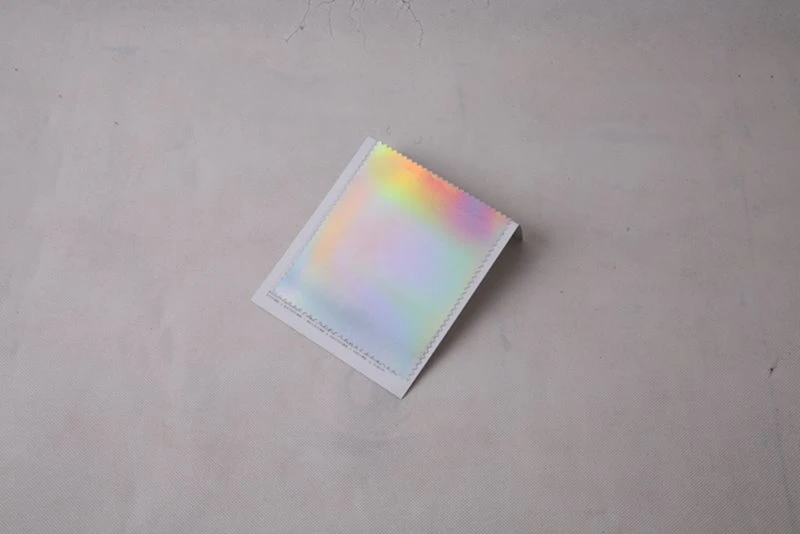

Polyester TPU Film
Polyester Polyurethane product is the workhorse of polyurethane films. It offers excellent strength and long-term stability. When heated, Polyester Polyurethane material acts as an adhesive and can be used for emblems in industrial laundry, textile labeling, ID systems applications, seam tape, and can be laminated to fabrics making them weldable. Polyether polyurethane material can also be used as a protective layer to prevent the scratching of delicate parts in metal bending and press brake, and machine shop applications.
Aromatic Polyester products function extremely well in demanding, harsh environments. Conveyer and power transmission belting, air containment bladders and container liners for the hazardous cleanup industry are just a few of the applications. Aromatic Polyester films offer high tensile strength and abrasion resistance and function well in contact with fuels. Polyester polyurethane films are also used in multi-layer laminations as an adhesive layer or a barrier layer. They can also be used as a food-grade cover in multiple applications, including conveyor belting. Aromatic Polyester urethane ages better than other Thermoplastic Polyurethanes, but unlike Aromatic Polyether film, it will eventually break down in high-humidity environments.
Polyether TPU Film
Aromatic Polyether TPU Film functions very well in applications requiring direct contact with human skin. Offering a high resistance to skin oils, Polyether-based TPU Films have high Moisture Vapor Transmission Rates (MVTR), maintain their flexibility in low temperature environments, and can withstand prolonged exposure to high-humidity environments without degradation. Polyether-polyurethanes weld easily, have a softer non-plastic feel, and will not support fungal or microbial growth. Very often Polyether-Polyurethane Films are used in multi-layer laminations as an adhesive layer or a barrier layer.

Applications of TPU Film
Automotive
TPU film is extensively used in the automotive industry for applications such as airbags, dashboard covers, and door panels. Its flexibility, durability, and resistance to extreme temperatures make it an ideal choice for these components.
Electronics
TPU film is used in the production of various electronic devices, including touchscreens, protective films, and keypads. Its transparency, flexibility, and resistance to scratches make it an excellent material for these applications.
Textiles
TPU film is widely used in the textile industry for applications such as laminated fabrics, waterproof clothing, and breathable membranes. Its water resistance, breathability, and flexibility make it an ideal material for these textile applications.
Medical
TPU film is used in the medical industry for applications such as wound dressings, surgical drapes, and catheters. Its biocompatibility, flexibility, and sterilizability make it suitable for these medical applications.

Process of TPU Film
Extrusion
The dried TPU pellets are then fed into an extruder where they are melted and conveyed through a T-die to produce a continuous flat sheet. The extruder melts the TPU material and forces it through a die, shaping it into the desired film thickness and width.
Pretreatment
TPU granules are fed into a hopper dryer to remove all moisture present in the granules. This helps to ensure the quality of the final film and prevents defects due to moisture.
Cooling
Once extruded, the sheet of molten TPU material is cooled by a cooling system to solidify it. This helps to maintain its shape and form a stable film.
Coiling
The cured TPU film is then pulled through a coiling unit where it is rolled into a roll for further processing or use. This allows for convenient storage, transportation, and handling of the film.
Quality Control
Throughout the production process, the TPU film undergoes quality checks to ensure it meets industry standards. Thickness, width, clarity, and other important parameters are checked to ensure consistent and reliable film quality.
Film Thickness And Width
The thickness and width of polyurethane film play a crucial role in providing durability and performance to the final product. Generally, thicker films are more resilient to tears and punctures, making them suitable for heavy-duty applications such as truck bed liners. On the other hand, thinner films are more flexible and better suited for applications that require conformability and flexibility, such as automotive paint protection films. Width is also essential to consider, as it impacts cost and production efficiency.
Adhesion Properties
Polyurethane films have varying adhesion properties, ranging from permanent, removable, and repositionable adhesives. Permanent adhesives offer a strong bond and are ideal for applications requiring long-term, sturdy hold, such as electronic device protection. Removable and repositionable adhesives provide more flexibility and are perfect for temporary applications that need adjustment, such as athletic helmet decals. Choosing the right adhesion property is critical for ensuring proper bonding and avoiding damage to the substrate.
Special Properties
Polyurethane films offer unique and special properties such as UV resistance, chemical resistance, and graphic visibility. UV-resistant films are suitable for outdoor applications and provide long-term protection against sunlight exposure. Chemical-resistant films are ideal for industrial applications that expose the film to harsh chemicals. Graphic visibility films offer high-quality printing capabilities, making them suitable for promotional and decorative applications. Choosing a polyurethane film with suitable unique properties can significantly enhance the final product’s performance depending on the application and requirements.
Manufacturing and Inventory
Manufacturing and inventory processes significantly influence polyurethane films’ availability and cost considerations. While polyurethane films are generally available in various thicknesses, widths, and adhesion properties, specific unique properties may require custom formulations, leading to longer lead times and higher costs. Working with a reliable and trusted supplier who can provide quality products and timely delivery is essential.
Applications and Industry
Polyurethane films have numerous practical applications across various automotive, medical, and electronic industries. In the automotive sector, polyurethane films are widely used to protect car paint, headlamps, and bumpers against environmental hazards such as rocks, debris, and UV rays. In medical applications, polyurethane films provide a sterile barrier for medical devices and equipment, preventing contamination from bacteria and microbes. Polyurethane films protect against electronic applications’ static, electrical, and thermal hazards.
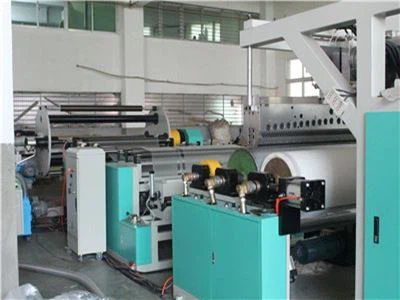
Our factory
We also invested three plastic film company in aboard as below:
●Vietnam: VINA KAILO CO., LTD
●Indonesia: PT. KAILO SUMBER KASIH CO., LTD
●Egypt: Egyptian Arabic for Paper Productions


Contact Us
Phone
+8613505927626
Address
612, Building 9, Donghai Cross-border E-commerce Ecosphere, Fengze District, Quanzhou
ivy.su@cnccib.com
Frequently Asked Questions
Q: What are the applications of tpu film?
Medical fabrics
Smart clothing
Water resistant, breathable textiles
Membranes
Bladders
Automotive protection films
Surfacing applications
Tape backing film
Q: What are the characteristics of tpu film?
Elasticity
Elongation
High tensile strength
Transparency
Impact resistance
Breathable
Water resistance
Microbial resistance
Q: What are the application characteristics of tpu film?
Compared to plastic and rubber, TPU is much more environmentally friendly. It’s both biodegradable and can be recycled, so there’s no plastic waste, and it doesn’t require the harvesting of precious resources like rubber. Furthermore, its strong, durable performance extends the life of many products, reducing waste.
Q: What types of tpu film are there?
Q: What is tpu film?
Since the material is elastic, it has limited "self-healing" abilities. This means that its slight softness gives it the power to absorb non-extreme impact, such as most drops and lighter scratches, while retaining all or most of its original composition. For example, lighter scratches usually leave just a small dent in the soft plastic, which slowly returns to normal.
Q: Is TPU film recyclable?
Q: Can TPU film be printed on?
Q: Is TPU film environmentally friendly?
Q: Can TPU film be used outdoors?
Q: What is the difference between TPU film and PVC film?
Q: What are the benefits of tpu film?
Hard-wearing
TPU is highly resistant to wear and tear.
Light weight
TPU is ‘foamed’. This technique enables a considerable weight reduction to be achieved, and yet the resistance to wear is superior to that of other flexible materials, such as rubber.
Sustainable
The foamed TPU that we produce is recyclable. Scrap material from production is re-used, and we also accept scrap materials returned by customers.
Flexibility
Shock absorbent
TPU has excellent cushioning qualities, thanks in part to its foamed structure. This enhances the comfort of footwear and similar products.
Pliable
TPU is easier to process than rubber and can be readily formed around irregular shapes, such as a shoe. The stiffness of rubber is a limitation on its suitability.
Soft and flexible to the touch
Pleasant tactile experience, suitable for ‘soft touch’ surfaces.
Grip
Anti-slip
Adds grip to shoes and furniture. For example, we supply TPU to a customer who incorporates it into the sole of cycling shoes to prevent the insole from moving in the shoe. For similar reasons, orthopaedic insoles often have a thin layer of TPU.
No skid marks
TPU leaves no skid marks, making it a great choice for footwear and anti-slip feet for furniture.
Manufacturing
Easily bonded
The foamed structure of TPU enhances its adhesion to other materials. TPU can therefore be bonded to other materials without the need for surface preparation such as degreasing or corona treatments. This results in cost and production time savings for our customers.
Also suitable for water-based adhesives
TPU is suitable for both solvent and water-based adhesives.
Recycling
Recyclable
Finished TPE can be re-used as a raw material without problems. We therefore re-use all of our start-up material and scrap. We also accept scrap material from customers for re-use in production.
Q: What are the functions of tpu film?
We are TPU Film Supplier, who will supply you the TPU Film from the most trusted quality of TPU Film manufacturers in Taiwan. The quality standards are of the highest level and the consistency is maintained at all possible checks.
The TPU film is highly used in the lamination industry to produce the baby dry sheets. TPU Films are also used in the medical industry to laminate with the nonwoven fabrics.
FEATURES of TPU Film
Eco-friendly & toxic-free approved by SGS/ASTM F963 test
Breathable & Waterproof
Windproof & warm keeping
Good tensity
Decomposable to earth
Q: How does TPU PPF Film work?
When applied, the TPU Film conforms to the vehicle’s contours and provides a smooth, seamless finish. Its thickness helps to absorb the impact of road debris such as rocks, gravel, and sand before it can reach the vehicle’s paint surface, providing superior protection.
TPU Film is typically installed by a professional installer, who cuts the film to fit the vehicle’s particular make and model. The installation process may include preparing the car’s surface with a thorough cleaning, polishing, and detailing to ensure that the TPU Film adheres properly and lasts for a long time.
Overall, TPU Film provides superior protection for the car’s paint surface and ensures that the car looks great for a long time. It is a cost-effective and reliable solution for car owners who want to maintain the value and appearance of their vehicle.
Q: What are the environmental benefits of TPU Film?
Environmental protection
TPU Film is abrasion resistant while PVC can crack over time
More elastic and lighter than PVC
In medical devices, it is accepted as a safe alternative to PVC. This is because TPU healthcare grades do not use rubber accelerators and plasticizers that can cause skin irritation or dermatitis.
Polyurethanes used as insulators in buildings, transportation and appliances effectively improve energy efficiency and lower carbon emissions.
Q: What are the features of TPU Packing Film?
Widely known features of TPU film are as follows
Abrasion and impact resistance
Resists friction 3 to 5 times better than natural and synthetic rubbers, and can withstand use in harsh environments.
Oil and gasoline resistance
High durability against oil and gasoline makes it suitable for industrial parts, automotive parts, and solvent protective gloves.
Flexion Resistance
Excellent durability against repeated flexural movement over a long period of time. Because of its resistance to tearing, it is used for industrial parts and containers that cannot be solved with rubber products.
Rubber elasticity
Its excellent rubber elasticity and resistance to change in hardness even at low temperatures make it safe for use in extremely cold regions.
TPU film is attracting attention not only for its high mechanical strength, such as tensile and tear strength, and abrasion resistance, but also for its excellent oxygen permeability (gas barrier property) and water vapor permeability. TPU has the disadvantage of yellowing under the influence of ultraviolet rays, but by selecting and blending raw materials, TPU films with high transparency and resistance to yellowing (non-yellowing) are now available.
Q: What are the uses of TPU film?
TPU film is utilized in various fields, but there are not many cases where it is used in a visible form, because TPU film changes its form according to its use and purpose due to its ease of processing. Here are some examples of TPU films in use.
Automotive & Automotive related
It is used not only for cables inside automobiles, but also for synthetic leather seats, such as leather seats, armrests and headrests, and the surface skin around instrument panels and console boxes. Another TPU film product that has been attracting attention recently is PPF (Paint Protection Film), which protects automobile parts and paint from flying rocks.
Medical Field
TPU is used in catheters, medical tubing, medical gowns, and dressings that cover and protect affected areas such as wounds and burns. Adhesive bandages, which we use in our daily lives, are another type of dressing material, and adhesive bandages that take advantage of TPU’s water vapor permeability (water resistance) and high oxygen permeability are now available.
Apparel Materials
It is mainly used in raincoats (rainwear), synthetic leather used for shoes, and sportswear. In recent years, “steam-free” outdoor goods using the high water vapor permeability of TPU film have also appeared. It is also used as a fabric adhesive tape that replaces sewing.
Q: What is TPU film made of?
Q: What are the Features of Polyurethane Film?
TPU films are used to create balloon air barriers and also air buffer material. These films also resist puncture as a ballpoint pen from pointed subjects.
These films are free from phthalates which makes TPU films an environmentally friendly product.
TPU films have everything from ultimate Tensile to elastomeric retention, from microbiological tolerance to chemical inertness. Also, it has low-temperature flexibility.
Q: What are the Advantages of TPU Films?
Q: Is TPU film breathable?
Q: What are the technical characteristics of TPU Film?
Q: How does TPU Film play a role in the automotive industry?
Q: What are the advantages of TPU Film in the automotive industry?
We're professional tpu film manufacturers in China for over 20 years, specialized in providing high quality products. We warmly welcome you to buy cheap tpu film from our factory. For price consultation, contact us.
totani bag making machine, old printing machine, Packaging Plastic Machine