

Latest Products


Contact Us
- 612, Building 9, Donghai Cross-border E-commerce Ecosphere, Fengze District, Quanzhou
- ivy.su@cnccib.com
- +8613505927626
Wholesale TPU Medical Film Manufacturer
CCIB was established on year 2001, it's producing plastic machine and plastic film as the core industry of manufacturing enterprises. Our products include: Cast Film Machine, Blown Film Machine, Packaging, Plastic Machine, TPU Film, PE Film, PEVA Film, Film Winding Machine, Recycling Machine, Printing Machine, Bag Making Machine.
Why Choose Us
High Production Capacity
CCIB is producing plastic machine and plastic film as the core industry of manufacturing enterprises. The total assets is 1.2 billion, with 500 workers. Our company gained the national patent over 20 items.
Quality Assurance
We focus on technological innovation, and introduce the production technology and processing equipment of world's advanced level. Our quality assurance technicians verify every lot of parts to ensure it meets our customers’ high standards.
Wide Product Range
The main products of Machine and Plastic film are as follows: film blowing machine, film winding machine, recycling machine, printing machine, bag making machine.
Leading Service
We independently complete the R&D, production, marketing, sales, and technical support processes. You just need to send your requirements via email and we can customize the product for you.
 Clinical TPU Film
Recycle tpu film polyurethane 100% tpu medical material for tpu medical cap
Add to Inquiry TPU Medical Material
Polyurethane mechanical properties tpu breathable with soft for tpu material surgical gown
Add to Inquiry TPU Film Lamination
Transparent polyurethane properties Non-toxic medical material for tpu surgical operation gloves
Add to Inquiry TPU Medical Transparent Film
TPU applications film lamination non-woven fabric for medical mattress tpu
Add to Inquiry TPU Medical Cap
Anti-UV Clear tpu medical polyurethane film transparent film with high stretch
Add to Inquiry Transparent Polyurethane Film
Polyurethane films tpu color optional used in tpu inflatable air mattress
Add to Inquiry
What Is TPU Packing Film
Polyether TPU Films offer antimicrobial properties, breathability, and biocompatibility, all while maintaining elasticity and a soft feel. Polyether TPU is also resistant to skin oils and has passed Agar Diffusion testing for skin cytotoxicity.
Advantages of TPU Medical Film
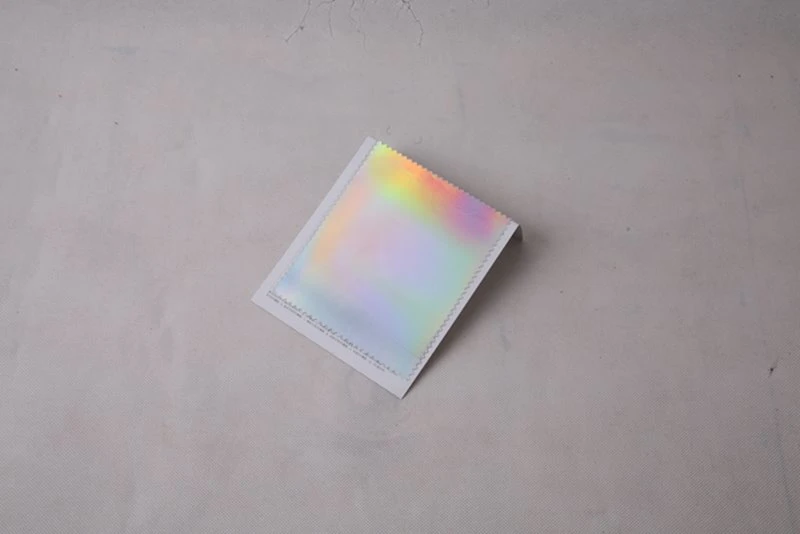


Proven Biocompatibility
TPU Medical Transparent Film is a biocompatible grade of TPU and meets certain test requirements of ISO 10993-1: “Biological Evaluation of Health Care Devices”. Categories include the following:
Skin contact
Up to 24 hours contact with circulating blood, tissue, bone, and dentin
Up to 30 days contact with mucosal membrane, compromised surfaces, and blood path, indirect.
Sterilization-Compatibility
TPU Medical Transparent Film can be sterilized by ethylene oxide gas, dry heat, E-beam and Gamma irradiation. A note on Gamma irradiation; it may change the color of the material. This material cannot be sterilized through steam autoclaving or boiling water.
Excellent Resistances
TPU Medical Transparent Film has several resistances that allow it to perform well in medical applications.
The chemical resistances of TPU Medical Transparent Film give an application resistance to lipids as well as cleaning and disinfectant agents. Additionally, TPU Medical Transparent Film microbe resistance resists the growth of algae, fungi, mold and bacteria. If you’re using TPU Medical Material for tubing, its kink resistance also helps prevent tube blockages. Finally, TPU Medical Transparent Film is able to keep up to the demands of medical applications through excellent tear, wear, stain and abrasion resistances.
Excellent Strength and Elastic Properties
Even at minimal wall thickness, TPU Medical Material has excellent tensile strength and unique elastic properties. One of these is TPU’s “elastic memory,” which maintains tension and makes the material unlikely to leak at joints.
These elastic properties also make TPU beneficial for patient comfort. TPU Film Lamination is High Moisture Vapor Transmission Rate (MVTR) makes it suitable for: comfortable gowns, linens, drapes and breathable wound dressings as a fabric coating.
Clarity
Visibility is important for the success of many medical devices. Transparent Polyurethane Film is high clarity provides enhanced visual observation for end-users. As with most thermoplastics, however, additives can alter material properties to achieve different results. If desired, this TPU can be made radio-opaque with barium sulphate.

Features of TPU Medical Film
Film Thickness
Film thickness from 25 microns (0.025 mm) to 750 microns (0.75 mm).
Roll Widths
Roll widths from 50mm, supplied up to 1600mm (@ 25 microns) and 900mm (@750 microns)
Roll Hardness
Range of film hardness (82 – 95 Shore A), elongation up to 800% with elastic recovery up to 650%.
Variety of Colours
Clear, translucent or opaque, tinted or solid colour matched film options, as required.
Environmentally Resistant
Outstanding environmental resistance to gases, ozone, water, oil and chemicals.
Easy to Convert
Easy to convert using traditional plastic/rubber material combining, converting, and finishing methods.
Specialty Grades
Specialty grades, with enhanced property additives e.g. anti-static, high slip, anti-microbial, anti-bacteria.
Compliant
Excellent biocompatibility, compliant with ISO 10993.
Soft and Comfortable
Soft to the touch, comfortable and able to conform to body shapes.
Tear and Puncture Resistant
Excellent abrasion wear, tear strength and puncture resistance, even at low temperatures.
Sterile
Sterilisable by using gamma irradiation or ethylene oxide.
What are the main types of TPU Film
Low Breathable TPU Film
This market segment includes TPU films that have limited breathability properties. These films may exhibit low levels of air permeability and are suitable for applications where moisture control is not a primary concern.
Medium Breathable TPU Film
This market segment offers TPU films with moderate breathability. These films have improved air permeability compared to low breathable films, making them suitable for applications that require better moisture control, such as clothing, sportswear, or medical products.
High Breathable TPU Film
This market segment consists of TPU films with superior breathability characteristics. These films have excellent air permeability, enabling efficient moisture transfer and making them ideal for applications demanding enhanced moisture management, such as waterproof breathable textiles, outdoor gear, or breathable membranes for medical applications.
The Uses of TPU Films in the Medical Field
Inserts for Mattresses, Duvets, and Pillows
Prominent makers of wipe-clean bedsheets, linens, and pillows employed in the healthcare business profit from the production and operational advantages of TPU films. Versatile specialty fabrics are often heat-fused or adhesively attached to underlying polymers and textiles; TPU films can be manufactured using either procedure. TPU film manufacturers are offering healthcare duvet and bed linen item producers a variety of non-allergenic film level choices, developed with effectiveness and higher levels of positive as required, such as combustibility resistance, steam flowability, and pollutant safety, including MRSA resistance.
Welded Bladders, Gel Pads, and Pressure Pads
TPU films are robust and waterproof while maintaining flexibility and gentle to the feel. As a result, they are an excellent film substance for therapeutic gel pads and pressure-relieving pads used on beds and wheelchairs. Relaxation is paired with excellent shred and penetration resistance and natural two-phase flow protection, and anti-fungal characteristics. TPU films are also utilized to make water or gas-filled sealed air sacs, which may be made cheaply using traditional HF and acoustic welding procedures.
Mattresses that distribute pressure
Major of pressure reduction and redistribution mattresses used in hospitals and the healthcare sector demand tpu films. The unique bedding structure helps stop and controls pressure ulcers. TPU films have proven to be an excellent choice as an easy-to-manufacture, long-lasting protective film in fabric systems used in the design of air, gel, and water-filled pressure relief mattresses. The intended low firmness grade blends suppleness with excellent mobility to deliver the desired degree of comfort. The film’s absorption to air and water, good endurance, rupture resistance, resistance to degradation and microbiological growth are all important qualities for this advanced use.
Hollow-Fiber Devices with Liquid Polyurethanes
Selecting Fabric Hollow-fiber membranes transformed the design of blood-processing barrier devices such as hemodialyzers, oxygenators, and hemoconcentration. Before the introduction of hollow-fibre membranes, the majority of these gadgets utilized flat-sheet polymers. The flat-sheet membrane gadgets were hard to construct and had high permeability. TPU films manufacturers had to figure out how to hold the threads, dividing the interior of the inner wall externally. To increase the blood flow solely on a single intermembrane space and a medicinal solution to flow on another, the two parts of the membrane must be divided. The barrier portions were sealed with a two-part liquid polyurethane as a mixture. The transplanting material serves as a structural element that divides the membrane’s two sides.
Dip Molding Polyurethanes
Polyurethanes are also suitable for producing dip-moulded products such as airbags, probe wraps & mittens. Even though natural fibre (NRL) is substantially less costly, the benefits of employing polyurethanes are enormous. The absence of extractable compounds in polyurethanes is the most serious issue. Polyurethanes, whereas NRL, are perfect polymers, which means that all of the constituents are organically bonded to one another. NRL is abundant in natural products such as tree proteins and curing compounds. These chemicals can produce rashes, allergy symptoms, and, under the worst scenario, anaphylactic shock, which can be disastrous. Healthcare practitioners are especially vulnerable to these illnesses since they undertake several duties while wearing rubber gloves.
Polyurethane Coatings
High-strength polymers with medical device features are not always the best material options for inserting into the body. Heparin coatings, for example, are put to a range of devices made of PVC, polyamide, and polyurethane to improve their thromboresistance. Similarly, their adaptability makes them ideal for a variety of applications. Polyurethane coatings can be hydrophilic or hydrophobic, antibacterial, non-thrombogenic, narcotic, or determinant. The coatings are suitable solvent and transferred to the surface by dropping or sprinkling. A polyurethane coating has the same chemistry as pure polyurethane. The good mechanical qualities of the material result in coverings that are strong, durable, and scratch-resistant.
Polyurethanes with Biostability
Polyurethanes used in long-term implantation offer unique problems to product manufacturers. Pacemaker connections were among the early applications of polyurethane for prostheses. The polyurethane utilized was polyether-based and functioned admirably. After several years in the system, the typical polyether-based polyurethane started showing signs of deterioration. Some elements, such as cobalt, promote such degradation. This is especially the case in pacemaker connections, where the wire’s ionic cobalt catalyzes oxidizing. The physical attributes of polyurethane deteriorate as it reacts with oxygen.

●Medical & healthcare staff personal protection equipment (PPE)
●Medical research laboratory contamination control equipment
●Artificial heart components & breast prostheses
●Operating theatre gowns, aprons, gloves & surgical drapes
●Hospital isolation unit transparent barrier drapes and PPE hoods
●Breathable bandages, incision films & wound dressings
●Pressure pads for hospital beds and wheelchairs
●Hot & cold compress therapy gel pads
●Bio-medical device components
●Respirator equipment diaphragms
●Pressure sensitive tapes
●Blood plasma bags
●Colostomy bags
●Tourniquet systems
Raw Material Preparation
The main raw material of TPU film is thermoplastic polyurethane (TPU) particles. We inspect, screen, and proportion raw materials before production to ensure the quality and stability of the raw materials.
Melt Preparation
We put the prepared TPU particles into the melt preparation equipment, add appropriate amounts of additives and color masterbatch, and melt the TPU particles into a melt under high temperature and high pressure. During this process, we control factors such as the temperature, pressure, and mixing speed of the melt to ensure the uniformity and stability of the melt.
Film Extrusion
The melt is transported to the film extruder, and the melt is extruded into a TPU film through the extrusion and stretching of the extruder. During the extrusion process, we control parameters such as extrusion temperature, extrusion speed, and extrusion pressure to ensure the stability and consistency of film quality.
Cool and Solidify
The extruded TPU film is cooled and solidified to transform it from a high temperature and high pressure state to a solid state at room temperature. During this process, we control parameters such as cooling speed, solidification time, and solidification temperature to ensure the physical properties and appearance quality of the film.
Test Packaging
After cooling and solidification, the TPU film needs to undergo quality testing and packaging. The inspection includes testing film thickness, width, length, transparency, tensile strength, tear strength, and other indicators to ensure that the film meets product requirements. We then roll or cut the film into sheets of different specifications and proceed to package and label them.
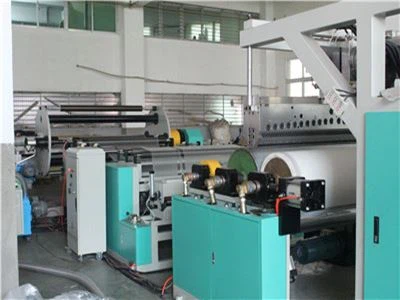
Our factory
We also invested three plastic film company in aboard as below:
●Vietnam: VINA KAILO CO., LTD
●Indonesia: PT. KAILO SUMBER KASIH CO., LTD
●Egypt: Egyptian Arabic for Paper Productions


Contact Us
Phone
+8613505927626
Address
612, Building 9, Donghai Cross-border E-commerce Ecosphere, Fengze District, Quanzhou
ivy.su@cnccib.com
Frequently Asked Questions
Q: What is TPU Medical Film used for?
Q: What are the advantages of TPU Film Lamination?
Q: What are the advantages of clinical TPU film?
Skin patches and wound dressings require a low-friction surface that does not interfere with the fabric of one’s clothing, while staying firmly in place.
Medical devices made with low-friction films adhere to the skin longer because they minimize friction with textiles. A premature replacement of dressings and patches is avoided, helping to reduce costs for healthcare providers.
Designers of medical devices and healthcare wearables can achieve a snug and resilient second-skin effect, even with patches with integrated electronics. Medical mattresses or any other positioning device made of silicone gel can also combine this tear and puncture resistance with a capacity to withstand heavy loads.
Low reflection contributes to higher safety in the operating theater
Low-reflection films are a good option in brightly lit operating theaters. The film is often used in incision films and other surgical drapes. The resulting benefit is less reflection which surgeons find disturbing during their critical work.
Q: What are the applications of TPU films in the medical industry?
TPUs are specified in many markets for its high-performance properties, and medical care applications can range from artificial heart components, blood plasma bags, to isolation tents in hospitals. High strength, tear resistance, and biocompatibility are all important properties that continue to encourage product innovation across the medical market. New applications emerge continually, especially where medical device manufacturers can advance the kinds of applications available to the market (such as isolating membranes, or wound dressings).
Polyurethanes are, specifically, reputable for outperforming other materials in these demanding environments. In medical settings, materials often rub against one another or bend. Without TPU grades, these materials would fatigue or weaken. Strengthening material properties through TPU is a way of advancing on product design and innovation.
Q: Why does the medical industry use TPU Medical Material?
The material properties go beyond the standard market desirability and have become critical in innovating product design with features such as enhanced strength. It’s because of its excellent physical and mechanical properties, including durability, tear strength, and stress and puncture resistance, that TPUs have become a desirable material for medical applications. The additional elastomeric and flexibility properties make this material a more versatile choice, especially given its reputation as a more sustainable replacement to PVC materials.
TPU film grades are blended from polyester or polyether aromatic PU polymer technologies. The key features of this material range from excellent biocompatibility, transparency, to high elastic strain recovery, being soft to touch for skin contact and outstanding environmental resistance (including various gases and chemicals). The various medical applications demonstrate market advancement through material innovation with a spotlight on thermoplastic polyurethanes, which are emerging as a sustainable replacement to conventional PVC materials.
Q: What are the applications of TPU Medical Material?
As TPU can be biocompatible, resistant to bacteria and highly transparent, dependent on grade, it is an increasingly popular material choice in the design of isolation units and robotic arm sleeving. It is also a useful barrier for preventing the spread of infections, protecting expensive equipment and helping to protect staff by creating a bacterial resistant shield, while guaranteeing a level of care and visibility through its transparency qualities. Medical staff can easily monitor the health of the patient, while remaining safe and distant from infection.
If medical staff do need to get close to a patient, using a TPU-based pressurised hood, fitted with breathing apparatus, will allow them to continue to provide a high level of care, while ensuring their own safety.
Pressure pads for beds and wheelchairs
Patients confined to wheelchairs or hospital beds can develop pressure sores, which not only add an extra level of discomfort for patients but can also pose a high risk to their health. TPU’s flexibility, resistance to abrasion, durability, as well as its ability to remain sanitary, make it an ideal material for pressure pads, thereby assisting in the longevity and quality of care a patient receives, while maximising their comfort.
Blood plasma bags and similar medical bags
Blood plasma bags must be made from nonpermeable, biocompatible, anti-tear and antibacterial material to ensure their contents are sterile and, therefore, fit for injecting into a patient without any risks. In addition, they must be translucent to help healthcare workers readily identify the bag’s contents. TPU’s translucence, promotes its application for these bags. TPU, with its weld strength, puncture resistance and medical safety, is also a viable material for colostomy bags, which must be sterile and as discrete as possible.
Q: What are the characteristics of TPU Medical Material?
As part of the extensive testing of TPU films, only certain grades are specified for medical use as per their biocompatibility and suitability. These are typically polyether varieties, although some polyester grades are also included.
TPUs have an inherent resistance to the growth of fungus and microbials. In addition, the material can be sterilised using gamma sterilisation methods to comply with infection control in sensitive medical environments. Silver compounds can be added to TPU formulations to improve a medical device’s resistance to the growth of particularly dangerous microbials, such as methicillin-resistant Staphylococcus aureus (MRSA) and Escherichia coli (E-coli).
Q: What are the advantages of TPU Medical Transparent Film?
We can make a film for the purpose you need it for i.e. anti-static, high slip, fire resistance, anti-microbial
We have a range of film hardness (82 – 95 Shore A) and elongation performance from 350% up to 800%
Film Thickness from 25 microns (0.025 mm) to 750 microns (0.75 mm)
Roll widths from 50mm, supplied up to 1600mm (@ 25 microns) and 900mm (@750 microns)
Excellent abrasion wear, tear strength and puncture resistance, even at low temperatures
Outstanding environmental resistance to gases, ozone, water, oil and chemicals
Excellent biocompatibility, compliant with ISO 10993
Q: What are The medical properties of TPU thin films?
Not easy to rebound, resistance to tearing
Hydrolysis resistance, smooth, soft and comfortable
In line with the FDA certification, frosted surface with special effect
Absolutely waterproof, anti-blood, antibacterial
Decontamination, can be washed
Has good biocompatibility, no adverse reaction of skin
Q: What are the advantages of TPU films?
Q: Can TPU films be customized for specific applications?
Q: What are the advantages of TPU Medical Cap?
Durability: They are resistant to wear and tear, ensuring a longer product life.
Water Resistance: TPU films are often used in waterproof applications due to their excellent water resistance.
Biocompatibility: In the medical field, TPU films are favored for their biocompatibility, making them safe for contact with the human body.
Chemical Resistance: They offer resistance to a variety of chemicals and oils.
Q: Why is TPU Medical Film used in mattresses in the medical industry?
Low permeability to air and water, excellent fatigue and puncture resistance, and resistant to hydrolysis and the growth of microbials are also vital properties provided by the polyurethane film for this technical application.
TPU films have proven highly effective as a resilient, easily manipulated barrier layer in textile configurations utilised for air, gel, and water-filled pressure alleviating mattress designs. Specially formulated, low hardness offer the ideal combination of suppleness and high flexibility, ensuring the necessary comfort level.
With low permeability to air and water, exceptional durability against fatigue and punctures, resistance to hydrolysis, and the ability to inhibit microbial growth, TPU Medical Film has all the necessary properties for technical applications in the medical and healthcare sector.
Q: What are the advantages of TPU material?
Excellent low-temperature and impact strength.
Resilience to oils, greases, and numerous solvents.
Good flexibility over a wide temperature range.
Robust weather and high-energy radiation resistance.
Q: What is the difference between PU film and TPU film?
Q: Is TPU film safe?
Q: In what fields can TPU Film be applied?
Q: What are the benefits of using TPU medical materials?
Q: How is TPU processed?
Q: How additives impact the properties of TPU medical materials?
We're professional tpu medical film manufacturers in China for over 20 years, specialized in providing high quality products. We warmly welcome you to buy cheap tpu medical film from our factory. For price consultation, contact us.
tpu plastic film, Transparent Polyurethane Film, tpu material in shoes