

Latest Products


Contact Us
- 612, Building 9, Donghai Cross-border E-commerce Ecosphere, Fengze District, Quanzhou
- ivy.su@cnccib.com
- +8613505927626
Why Choose Us
High Production Capacity
CCIB is producing plastic machine and plastic film as the core industry of manufacturing enterprises. The total assets is 1.2 billion, with 500 workers. Our company gained the national patent over 20 items.
Quality Assurance
We focus on technological innovation, and introduce the production technology and processing equipment of world's advanced level. Our quality assurance technicians verify every lot of parts to ensure it meets our customers’ high standards.
Wide Product Range
It's mainly on plastic The main products of Machine and Plastic film are as follows: film blowing machine, film winding machine, recycling machine, printing machine, bag making machine.
Leading Service
We independently complete the R&D, production, marketing, sales, and technical support processes. You just need to send your requirements via email and we can customize the product for you.
What is TPU Outdoors Film
TPU (thermoplastic polyurethane elastomer) is a type of plastic known for its rubber-like elasticity combined with the hardness of plastic. TPU film (polyurethane film/polyurethane elastomer film) is a thin film-like product made from TPU, sometimes called TPU sheet. First, let’s take a look at the features of TPU film.
 TPU Fabric Waterproof
TPU waterproof film lamination fabric is tpu polyester hydrolysis resistant for tpu material outdoors tents
Add to Inquiry TPU Waterproof Film
TPU film can not only be compounded with various fabrics, but also can be vacuum thermoformed to produce products with clear contours and stable dimensions.
Add to Inquiry TPU Breathable Membrane
Breathable TPU fabric based on polyester. The breathable TPU membrane fabric is a double-layer membrane, which is a multifunctional feature of TPU processing. Including high tear strength, waterproof
Add to Inquiry TPU Embossing Film
The Embossed TPU Film does not contain a plasticizer and does not cause precipitation or chalking problems.
Add to Inquiry TPU Outdoor Materials
Thermoplastic Polyurethane (TPU material) is a flexible, abrasion resistant thermoplastic. It’s being used in a number of manufacturing processes for both consumer and industrial use.
Add to Inquiry
Key Characteristics and Benefits of TPU Outdoors Film
Flexibility and Elasticity: TPU films offer excellent flexibility and elasticity, allowing them to conform to different shapes and withstand repeated bending without cracking or breaking. This makes them ideal for applications where the film needs to stretch or move with the substrate.
Transparency and Clarity: TPU films exhibit excellent transparency and optical clarity, making them suitable for applications where visibility or see-through properties are desired. They provide a clear protective layer without obstructing the view of the underlying material.
Mechanical Strength: Despite being thin, TPU films possess good mechanical strength and toughness. They have high tensile strength and tear resistance, making them durable and resistant to abrasion or punctures. This property allows TPU films to serve as protective barriers and withstand demanding conditions.
Water and Moisture Resistance: Polyether TPU films are inherently water-resistant and have excellent moisture barrier properties. This makes them suitable for applications requiring protection against water, humidity, or moisture, such as moisture barriers in textiles, waterproof clothing, or moisture-resistant packaging.
Air Holding: TPU films generally have good air-holding capabilities due to their inherent properties. The film's flexibility and elasticity allow it to conform to the shape of the enclosed air, creating a sealed or semi-sealed environment. The film's mechanical strength and resistance to punctures or tears help prevent the escape of trapped air.
Chemical Resistance: TPU films demonstrate good resistance to many chemicals, oils, solvents, and common household substances. This resistance helps protect the film and the substrate from potential damage caused by exposure to various chemicals.
Breathability: TPU films can be formulated to be breathable, allowing air and moisture vapor to pass through while blocking liquids. This property makes them suitable for applications such as breathable membranes in sportswear, medical dressings, or air-permeable packaging.
Adhesion and Bonding: TPU films have excellent adhesion properties, enabling them to bond securely to a variety of substrates, including fabrics, plastics, metals, and foams. This facilitates lamination or bonding processes, allowing TPU films to be integrated into composite materials or multilayer structures.
Processability: TPU films can be easily thermoformed, heat-sealed, welded, or laminated, thanks to their thermoplastic nature. This makes them easy to process and fabricate into different shapes, sizes, and forms to meet specific application requirements.
By Thickness of TPU Outdoors Film

0.01mm – 0.05mm Thickness Series
Sportswear: Provides waterproof, breathable layers for athletic and outdoor apparel.
Medical Dressings: Offers breathable and waterproof wound protection.
High-Precision Filtration: Suitable for air and water purification materials.
Durable Labeling: Creates water-resistant and tear-resistant tags and stickers.
0.05mm – 0.1mm Thickness Series
Outdoor Gear: Reinforces fabrics for backpacks, tents, and equipment.
Professional Sports Equipment: Adds a waterproof layer to ski gear and climbing apparel.
Vehicle Protection: Covers and safeguards vehicle seats and exteriors.
Light Industrial Protection: Shields machinery and electronics.


0.1mm – 1.0mm Thickness Series
Apparel Accessories: Produces tags, labels, and decorative patches.
Interior Decor: Used for wall coverings, upholstery, and furniture overlays.
Inflatable Products: Essential for items like life rafts and air mattresses.
Resilient Packaging: Creates protective wrappings and durable containers.
Automotive Interiors: Enhances durability and aesthetic appeal.
1.0mm – 2.0mm Thickness Series
Industrial Belts: Crucial for heavy-duty machinery and conveyance systems.
Household Items: Durable for table and floor mats, and chair cushions.
Decorative Home Items: Crafted into wall art and tabletop adornments.
Outdoor Signs and Displays: Provides a protective layer against environmental damage.
Safety Glass Interlayers: Used in bulletproof and radiation shielding applications.


TPU film, also known as thermoplastic polyurethane film, is a thin material made from polyurethane as the substrate, processed using specific techniques. Polyurethane is a polymer produced by the reaction of polyols and isocyanates, which gives it excellent wear resistance, elasticity, and chemical resistance. To enhance its properties, functional additives such as antioxidants and UV absorbers are incorporated during the manufacturing of TPU films.
Extrusion Method: The raw TPU material is added to the barrel of the extruder, heated and melted, then extruded into a sheet film. The film is then directly chrome-plated on the surface, trimmed, and wound into rolls.
Blow Molding Method: The characteristic of the blow molding method is that the extruded TPU film is shaped into a tube blank through an annular gap mold. At the same time, compressed air is introduced axially from the mandrel, and the TPU film is clamped between a pair of clamping rods, maintaining constant internal pressure. The film then expands to the desired diameter. After cooling and setting, the film is drawn and coiled.
Calendering Method: This method involves continuously forming TPU film using multiple heated, rotating rollers arranged adjacently. The thickness of the TPU film is determined by the gap between the last two rollers.
Casting Method: First, the TPU film raw material is melted, filtered, and degassed. It is then fed into a casting machine, where the molten material is cast into a TPU film of the desired thickness through a casting nozzle.
Stretching Method: This film-forming method involves stretching the TPU film both longitudinally and transversely between the softening and melting temperatures. TPU film stretching can be divided into uniaxial and biaxial stretching, with biaxial stretching being primarily used in actual production. Biaxial stretching enhances the properties of TPU films.
TPU Outdoors Film Service Life
The service life of TPU film depends on various application scenarios and usage conditions. A detailed explanation is provided below:
TPU film is a high-performance material known for its excellent physical and chemical properties, as well as its durability, which makes it widely used in many industries. It is commonly found in medical, electronics, automotive, textile, packaging, and other sectors, where it is used for applications such as waterproofing, dustproofing, heat insulation, and protection.
The service life of TPU film is influenced by several factors, including the following:
Usage Environment: The service life of TPU film is closely related to the environment in which it is used. If exposed to harsh conditions, such as extreme temperatures, ultraviolet radiation, or chemical exposure, the performance and lifespan of the film may be compromised. Therefore, when selecting TPU film, it is important to consider the specific environmental conditions and choose the appropriate model and specifications.
Stress and Load: TPU film is subjected to various stresses and loads during use, including stretching, bending, and pressure. Excessive stress or prolonged overloading can lead to fatigue and damage, which shortens the film’s service life. To ensure longevity, it is important to evaluate the stress and load the film will endure and take steps to minimize stress concentration and potential damage.
Maintenance: Proper maintenance plays a crucial role in extending the service life of TPU film. Regular cleaning, keeping the film dry, and storing it under proper conditions can help maintain its performance and longevity. Additionally, avoiding contact with sharp objects, corrosive substances, and other damaging factors is essential to protecting the film.
Quality and Manufacturing Process: The quality of the raw materials and the manufacturing process directly affect the service life of TPU film. High-quality materials and rigorous manufacturing standards enhance the film’s performance and durability, thus extending its lifespan. When choosing a supplier, it is advisable to select one with experience and a good reputation to ensure the quality and reliability of the product.
Key Considerations When Choosing TPU Outdoors Film
Understanding the specific requirements of your application is the first step in selecting the right TPU film. Consider factors such as:
Thickness: The thickness of TPU film can vary significantly. For example, a thicker film may be required for protective applications, while a thinner film might be suitable for flexible electronics.
Finish: TPU films are available in various finishes, such as matte or glossy. The finish will affect both the aesthetic appeal and functionality of the final product.
Adhesion Properties: Depending on the application, you may need a TPU film with specific adhesion properties for effective bonding to other materials.
Evaluate the performance characteristics required for your product. Key factors to consider include:
Temperature Resistance: If your product will be exposed to high or low temperatures, choose a TPU film that can withstand these conditions.
Mechanical Properties: Assess the tensile strength, elongation, and tear resistance of the TPU film to ensure it meets your product's demands.
Chemical Compatibility: If your product will come into contact with specific chemicals, ensure that the TPU film is resistant to those substances.
Depending on your industry, regulatory compliance may be crucial. For example, medical devices require materials that meet specific health and safety standards. Make sure the TPU film you choose complies with relevant regulations, such as FDA approval for medical applications or RoHS compliance for electronics.
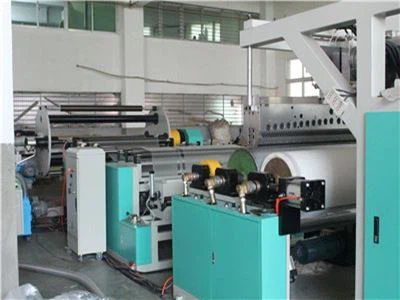
Our Factory
We also invested three plastic film company in aboard as below:
●Vietnam: VINA KAILO CO., LTD
●Indonesia: PT. KAILO SUMBER KASIH CO., LTD
●Egypt: Egyptian Arabic for Paper Productions


FAQ
We're professional tpu outdoors film manufacturers in China for over 20 years, specialized in providing high quality products. We warmly welcome you to buy cheap tpu outdoors film from our factory. For price consultation, contact us.
TPU Breathable Membrane, thermoplastic polyurethane sole, polyether tpu film