

Latest Products


Contact Us
- 612, Building 9, Donghai Cross-border E-commerce Ecosphere, Fengze District, Quanzhou
- ivy.su@cnccib.com
- +8613505927626
Why Choose Us
High Production Capacity
CCIB is producing plastic machine and plastic film as the core industry of manufacturing enterprises. The total assets is 1.2 billion, with 500 workers. Our company gained the national patent over 20 items.
Quality Assurance
We focus on technological innovation, and introduce the production technology and processing equipment of world's advanced level. Our quality assurance technicians verify every lot of parts to ensure it meets our customers’ high standards.
Wide Product Range
It's mainly on plastic The main products of Machine and Plastic film are as follows: film blowing machine, film winding machine, recycling machine, printing machine, bag making machine.
Leading Service
We independently complete the R&D, production, marketing, sales, and technical support processes. You just need to send your requirements via email and we can customize the product for you.
TPU Shoe Material
Thermoplastic Polyurethane, commonly known as TPU, is a versatile polymer that combines properties of rubber and plastic, giving it a unique structure that offers durability without compromising on flexibility. Originally used in athletic shoes and industrial applications, TPU’s qualities make it ideal for safety footwear, where both performance and resilience are critical.
 TPU Hot Melt Adhesive Film
1-decoration film apply to garments ,bags and other textiles because of its easy make and soft, stereo and elasticity, is the first choice material of fashion clothing and sportswear.
Add to Inquiry TPU Clear Membrane
The newest discount of this cheap TPU film breathable membrane for laminate which is manufacturer of Xin Gen brand.
Add to Inquiry Transparent Hot Melt Adhesive Film
Material: 100%TPU polyurethane. Color: Transparent. Application: TPU producers (tpu film for shoes). Hardness: 85A
Add to Inquiry TPU Hot Melt Adhesive
Material: PET/TPU/PET. Color: Silver. Application: Polyurethane film for shoes. Hardness: 85A
Add to Inquiry TPU Electroplate Film
Coiling Type: TPU plastic material . Gravity : 1.12-1.25g/cm3. Certificate: SGS,CE,ISO9001. Thickness: 0.03-0.40mm(30-400microns)
Add to Inquiry
The main advantages of using TPU Shoe Material in the footwear sector
Resistance and durability: TPU is known for its excellent resistance to abrasion and wear. This means that footwear made from TPU tends to be durable and maintains its properties over time, withstanding everyday use and exposure to outdoor conditions.
Flexibility and elasticity: TPU offers good flexibility and elasticity, allowing footwear to adapt to the movements of the feet. This is particularly important for sports footwear and high-intensity activities, where a full range of motion is required.
Lightness: Despite its strength and durability, TPU plastic is relatively lightweight, which helps reduce the overall weight of footwear. This is especially beneficial in sports footwear, where reducing weight can enhance performance and comfort.
Customization and aesthetic possibilities: TPU can be easily colored and personalized, offering a wide range of design and customization options. This is advantageous for footwear brands seeking to differentiate themselves in the market by offering unique products, with various color options (glossy, matte, metallic, glitter, pearlescent, etc.) and finishes.
The main applications of TPU Shoe Material in the footwear sector
Here are some applications and advantages of TPU plastic in the footwear sector:

Soles and midsoles
TPU plastic is commonly used in the production of soles and midsoles for sports, hiking, and work footwear. Due to its resistance to abrasion, wear, and traction, TPU soles offer excellent grip, cushioning, and durability. Additionally, TPU can be formulated with different properties, such as stiffness or flexibility, to meet the specific needs of various types of footwear.

Elastic uppers
TPU is widely used to make elastic uppers in footwear such as running shoes, trainers, and boots. TPU plastic offers a combination of flexibility, strength, and breathability, providing a comfortable fit and adequate foot protection.

Elastic components
TPU is used to produce elastic components such as fastening straps, adjustable tabs, and elastic inserts. These components improve the fit, adaptability, and comfort of the footwear, allowing it to better accommodate different foot shapes and enabling greater freedom of movement.
Examples of TPU Shoe Material in Footwear
Here are some specific examples of how TPU is used in different parts of a shoe:
Midsoles
TPU can be combined with other materials to create midsoles that offer a good balance of cushioning,stability, and responsiveness.
Outsoles
TPU is often used in the construction of outsoles, particularly for athletic shoes. It provides good durability and traction on a variety of surfaces.
Upper Overlays
TPU overlays can be used to add structure and support to the upper of a shoe. They can also be used for decorative purposes.
Shanks
TPU shanks are embedded in the midsole of some shoes to provide arch support and improve overall stability.
Heel Counters
TPU heel counters help to cup the heel for a secure fit and provide support.
Toe Caps
TPU toe caps can protect your toes from rocks and debris.
How should you Maintain TPU Sole Shoes?
Some of the ways you can maintain TPU sole shoes to make sure they last longer include:
Store them well: You should keep TPU sole shoes away from direct sunlight or heat as this may shrink, dry up or harden its midsole. This in turn will result in reduced cushioning and durability of the TPU sole shoes.
Ensure they have space: You should not stack TPU sole shoes under heavy shoes as their upper part may be subject to wearing down or crushing.
Dry the shoes well: Wet TPU sole shoes should be dried well and the insoles removed to make sure they will not stink after drying. You should not force TPU sole shoes to dry as this might damage them or make them lose their shape.
Always untie: You should always untie your TPU sole shoes before removing them instead of using your feet to kick them off. This in turn protects the heel cap from losing the support of getting crushed.
Clean TPU sole shoes regularly to enable them to last longer periods.
Wash and brush the soles of TPU sole shoes to eliminate any contaminants and dirt.
TPU soles are better in terms of wear resistance, elasticity, and wearing comfort. They are made from polyurethane lotion by foaming at high temperatures, and the soles are very light.
TPU stands for thermoplastic polyurethane, which is a linear polymer material prepared by the co-reaction of diisocyanate, polymer polyol, and a chain extender.
PU, or thermoplastic polyurethane, can be softened at a certain temperature and remains unchanged at room temperature.
TPU not only has excellent high-tension properties, tensile strength, and aging resistance, but it is also a mature, environmentally friendly material. TPU materials are commonly used in sports shoes, football soles, and skating shoes.
Good abrasion resistance: When wiping the soles of different materials on a rough floor, and applying force, soles made from EVA, rubber, or TPR will show obvious damage after friction, but TPU is the only material that performs well under such conditions.
Application of TPU Material in Shoe Making
Used as an air cushion for shoes
The air cushion is located between the upper and the lower soles of the shoes. Its main function is to store air, improve the resilience of the shoe as a whole, and enhance the shock absorption effect. This feature is especially common in sports shoes, where it helps reduce the physical strain caused by intense activity.
As a shoe upper
In most cases, the uppers of shoes are composite materials. TPU hot-melt adhesive film is used to bond the layers together. This film is very thin, and the process is relatively simple and efficient. The most important benefit is that the composite effect is very strong, which improves the durability of the entire upper. This, in turn, helps extend the shoe's lifespan and provides better insulation.
As a shoe outsole
The quality of a shoe's outsole is largely determined by its wear resistance and skid resistance. Using TPU film for the outsole enhances the durability of the sole and reduces the likelihood of cracking or breaking.
As a shoe trim
Many decorative elements on the surface of shoes are made from TPU and similar materials. TPU is transparent and can be easily colored, making it ideal for creating a wide variety of bright, eye-catching ornaments.
Factors that Can Affect the Abrasion Resistance of TPU Soles

Material Quality: The quality of the TPU material used can significantly impact abrasion resistance. High-quality TPU formulations, with the right additives and fillers, can improve abrasion resistance.
Additives and Fillers: Additives, such as antioxidants, UV stabilizers, and fillers like carbon black, can enhance abrasion resistance by improving the TPU’s overall properties.
Compounding Technique: The compounding process, which includes mixing, melting, and molding, can affect the distribution and orientation of molecules in the TPU, thereby influencing its abrasion resistance.
Design and Thickness: The design and thickness of the sole can affect how it wears over time. Thicker soles and certain patterns or designs may improve abrasion resistance.
Environmental Factors: Environmental factors, such as temperature, humidity, and exposure to chemicals, can also affect abrasion resistance.
Usage Conditions: The type of surface the shoe is used on and the activities performed can affect abrasion resistance. Rough surfaces and high-impact activities can accelerate wear.
Care and Maintenance: Proper care and maintenance, such as regular cleaning and avoiding harsh chemicals, can help preserve abrasion resistance.
Can Abrasion Resistance in TPU Soles Be Improved?
Yes, abrasion resistance in TPU soles can be improved through the following methods:
Material Selection: Choosing high-quality TPU materials with specific properties can enhance abrasion resistance.
Additives: Incorporating additives such as antioxidants, UV stabilizers, and fillers like carbon black can improve abrasion resistance.
Compounding Techniques: Using proper compounding techniques, including mixing and molding processes, can enhance the overall abrasion resistance of TPU soles.
Surface Treatments: Applying surface treatments or coatings can improve abrasion resistance and provide additional protection.
Design Modifications: Modifying the design or thickness of the sole can improve abrasion resistance in specific areas.
Testing and Optimization: Conducting abrasion resistance tests and optimizing the TPU formulation based on the results can lead to improvements.
Environmental Considerations: Considering environmental factors during the manufacturing process can help create TPU soles that are more resistant to abrasion in various conditions.
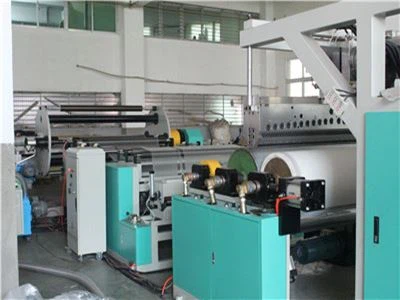
Our Factory
We also invested three plastic film company in aboard as below:
●Vietnam: VINA KAILO CO., LTD
●Indonesia: PT. KAILO SUMBER KASIH CO., LTD
●Egypt: Egyptian Arabic for Paper Productions


FAQ
We're professional tpu shoe material manufacturers in China for over 20 years, specialized in providing high quality products. We warmly welcome you to buy cheap tpu shoe material from our factory. For price consultation, contact us.
tpu film material, tpu adhesive film, TPU Hot Melt Adhesive